
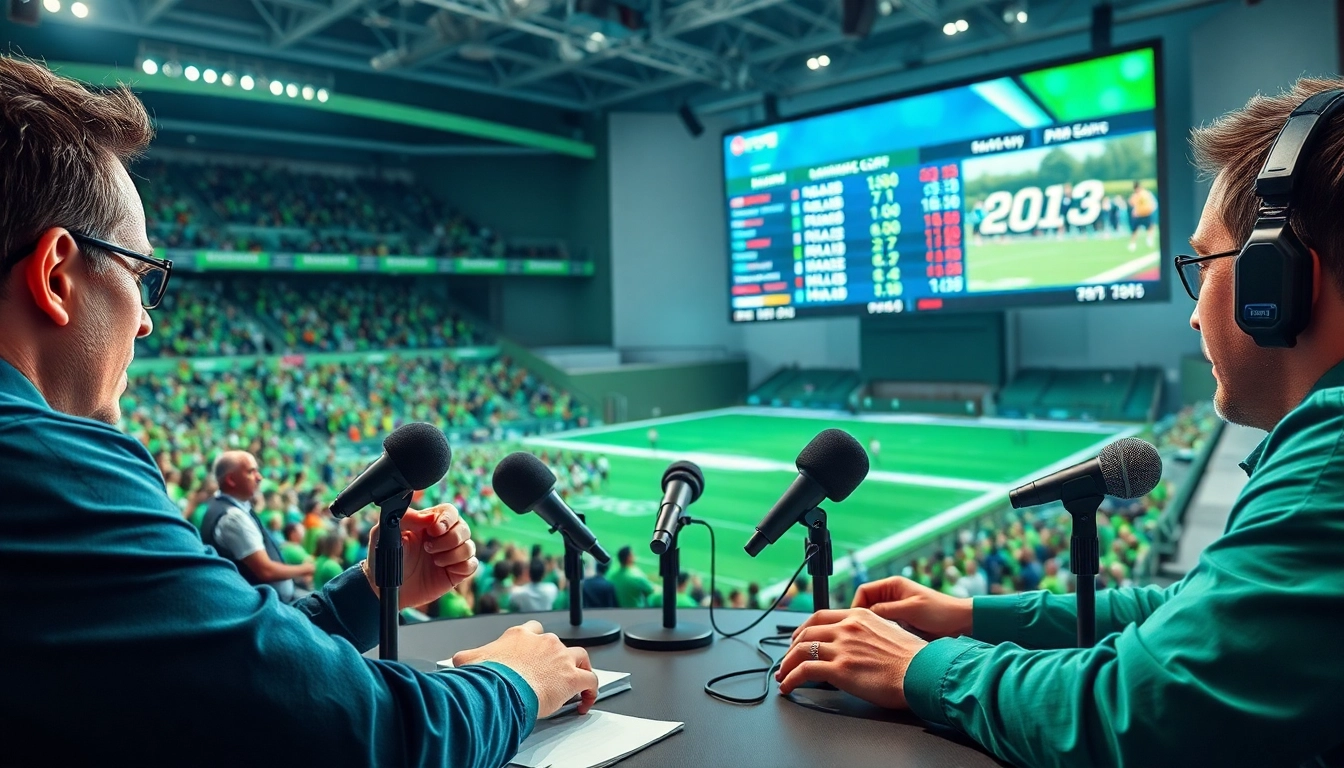
Understanding the Fundamentals of Sports Broadcasting
Sports broadcasting has become an essential part of the modern sports experience, delivering real-time action, commentary, and analysis to audiences worldwide. As the sports industry evolves, so does the way fans consume content. Understanding the fundamentals of Sports Broadcasting is critical for anyone looking to enter this dynamic field. This sector intertwines creativity, technology, and marketing, creating unique opportunities for professionals to engage audiences.
Key Roles in Sports Broadcasting
Successful sports broadcasting relies on a multitude of key roles that work harmoniously. Each position adds a layer of depth and richness to the viewer experience. Here are the primary roles:
- Commentators: They provide play-by-play coverage, enhancing the excitement of live events. Commentators need to be knowledgeable about the sport, articulate, and engaging.
- Analysts: These professionals analyze gameplay, providing insights and expert opinions that deepen viewer understanding. They often dissect strategies and player performances post-game.
- Producers: Producers oversee the entire broadcast, ensuring that all elements come together smoothly. They coordinate timing, technical aspects, and the overall flow of content.
- Camera Operators: The visuals in sports broadcasting are crucial. Camera operators capture key moments, using various camera angles to enhance storytelling.
- Technical Directors: Responsible for managing technical elements, these individuals ensure that audio and visuals are of high quality, contributing to a seamless viewing experience.
Types of Sports Broadcasting
Sports broadcasting can be segmented into various types based on the medium and style of delivery. Understanding these types informs how professionals engage with different audiences:
- Television Broadcasting: Traditional broadcasting remains popular, showcasing live events on network and cable television.
- Radio Broadcasting: Radio remains a viable option for audiences on the go, offering live commentary and updates across various sporting events.
- Online Streaming: The rise of digital platforms has ushered in an era of on-demand viewing. Networks and leagues often stream events through their platforms or partner with existing services.
- Social Media Broadcasting: Shorter, live content is shared on platforms like Twitter, Instagram, and TikTok, catering to younger audiences eager for quick highlights or commentary.
Major Competitions and Events
Throughout the year, numerous major competitions showcase the best of sports. These events can define sports broadcasting strategies:
- World Cup Events: Soccer’s FIFA World Cup, much like cricket’s ICC World Cup, captivates millions, necessitating comprehensive coverage from multiple angles.
- Olympic Games: This multi-sport event draws international attention and requires a vast broadcasting approach across various sports and stories.
- Championship Finals: Events like the Super Bowl or NBA Finals prompt significant interest, often leading to unique programming, commercials, and viewer engagement strategies.
- Seasonal Leagues: Major leagues such as the NFL, NBA, MLB, and NHL promote year-round viewership and engagement through well-structured broadcasting schedules.
Essential Skills for Successful Sports Broadcasting
The competitive landscape of sports broadcasting necessitates mastering specific skills. Whether a newcomer or an experienced professional, developing these skills is imperative:
Communication and Presentation Skills
Effective communication stands at the forefront of sports broadcasting. Professionals need to convey excitement, convey narratives, and engage audiences efficiently:
- Articulation: Broadcasters must speak clearly, often fast-paced, maintaining an engaging tone.
- Body Language: Non-verbal cues can enhance the storytelling aspect of broadcasting, making the content more engaging.
- Interview Techniques: Engaging with athletes or coaches requires tact and the ability to ask insightful questions that elicit meaningful responses.
Research and Preparation Techniques
In-depth preparation is key to producing compelling content. Effective broadcasters must devote time to research:
- Statistics Research: Knowing player stats, team standings, and historical data informs commentary, adding depth to discussions.
- Storylines: Understanding underlying narratives—such as rivalries, player stories, and team dynamics—enhances the broadcast.
- Preparing for Contingencies: Anticipating possible scenarios helps broadcasters react seamlessly to unexpected events or controversies during live broadcasts.
Technical Skills Needed
The integration of technology in sports broadcasting cannot be overstated. Familiarity with technical aspects is essential:
- Understanding Equipment: Knowledge of cameras, microphones, and production software is vital for broadcasting professionals.
- Multi-Platform Competence: As audiences consume content across various devices, expertise in adapting content for TV, radio, and online platforms is crucial.
- Editing Software Proficiency: Knowing how to use editing tools and software for package production is essential for quality content delivery.
Innovative Technologies Shaping Sports Broadcasting
Advancements in technology continually reshape the landscape of sports broadcasting. Understanding these innovations keeps broadcasters relevant:
Live Streaming Insights
The evolution of internet technology has made live streaming a preferred option for audiences. This shift requires broadcasters to adjust their strategies:
- Accessibility: Live streaming allows fans to watch events from anywhere globally, necessitating a focus on quality and connectivity.
- Interactive Features: Incorporating live chats, polls, and Q&A sessions enhances engagement, creating a two-way interaction between broadcasters and audiences.
- Multi-Camera Angles: Offering choices of different camera views during live streams enriches viewer experience, allowing personalization.
Analysis of Audience Engagement Tools
Engaging audiences requires a suite of tools that provide valuable insights:
- Analytics Software: Programs that track viewer metrics allow broadcasters to gauge response and adjust future content.
- Social Media Insights: Monitoring trends and discussions on social media helps shape the narrative and connects broadcasts with current audience interests.
- Feedback Mechanisms: Implementing ways for viewers to provide feedback enhances future broadcasts and cultivates viewer loyalty.
Understanding Broadcast Equipment
Without the right equipment, even the best broadcasts might fail. Broadcaster familiarity with technology is non-negotiable:
- Production Gear: Quality cameras, audio, and lighting gear are essential for high production value.
- Streaming Devices: Reliable hardware to support streaming is critical for seamless delivery.
- Software Tools: Software for live editing, graphics, and on-screen information are important for enhancing viewer experience during live events.
Best Practices for Enhancing the Viewer Experience
An engaging viewer experience is paramount in sports broadcasting. Numerous strategies can assist in elevating content quality:
Creating Engaging Content
Content that is lively, informative, and resonant ensures viewer retention:
- Utilizing Storytelling Techniques: Narrating personal or team journeys creates relatable content.
- Incorporating Graphics: Visual aids, infographics, and dynamic presentations enhance understanding and engagement.
- Including Expert Opinions: Guest appearances by experts lend credibility and add varied perspectives to broadcasts.
Incorporating Audience Feedback
Listening to the audience plays a critical role in content development:
- Surveys and Polls: Soliciting viewer preferences through surveys guides content creation and delivery.
- Social Media Monitoring: Staying attuned to trending topics allows broadcasters to tailor content to current interests.
- Community Engagement: Building platforms for viewer interaction fosters loyalty and commitment to programming.
Case Studies of Successful Broadcasts
Highlighting successful broadcasts provides practical lessons and insights:
- The Super Bowl: Known for high engagement, the strategies employed here serve as benchmarks for success.
- The Olympics: With varied coverage, lessons include adapting presentations for diverse audiences.
- League Championships: These highlight the importance of strategic scheduling and comprehensive coverage.
Future Trends in Sports Broadcasting
Looking forward, the sports broadcasting landscape will face various emerging technologies and shifts in audience behavior:
Emerging Technologies and Their Impact
Advancements continually reshape broadcasting approaches. Potential innovations include:
- Augmented Reality (AR): AR can enhance storytelling by providing real-time statistics and graphics during live games.
- Virtual Reality (VR): VR can create immersive experiences, allowing fans to feel like they’re part of the event.
- Artificial Intelligence (AI): AI-driven analytics could revolutionize how content is created, optimized, and tailored to specific audiences.
The Growth of Digital Platforms
Digital platforms will continue to rise, necessitating adaptive strategies for reaching audiences effectively:
- On-Demand Viewing: Content will shift heavily towards on-demand viewing, allowing fans to choose what and when they watch.
- Subscription Models: More networks will adopt subscription-based models, offering exclusive content to attract and retain viewers.
- Cross-Platform Integration: Strategies will focus on multi-platform delivery to maximize audience reach.
Audience Behavior and Adaptation
Understanding shifts in audience behavior is vital for continued relevance:
- Generational Preferences: Younger generations gravitate towards digital, quick-content formats; broadcasters must adapt accordingly.
- Viewer Participation: Opportunities for fans to engage actively will become increasingly important, fostering a sense of community.
- Emphasis on Diversity: Representation in broadcasts regarding gender, ethnicity, and technology will help reach broader audiences and reinforce inclusivity.
Frequently Asked Questions
What qualifications are needed for a career in sports broadcasting?
A degree in journalism, communications, or a related field is typically required, along with strong communication skills and a passion for sports.
How can someone break into sports broadcasting?
Start by gaining experience through internships, volunteering at local sports events, and creating a portfolio of work to showcase your skills.
What technologies are most important for sports broadcasting?
Key technologies include HD cameras, editing software, streaming platforms, and analytics tools to track audience engagement.
How do broadcasters prepare for major sports events?
Preparation involves extensive research on teams, players, and storylines, along with rehearsing commentary and coordinating with production teams.
What role does audience engagement play in sports broadcasting?
Audience engagement is crucial for attracting and retaining viewers, as interactive elements enhance the viewing experience and foster community.